The real risk is not rain — it is the container’s own air
Most suppliers cover what happens to veneer on a long sea route with a single word: moisture. Knowing the mechanism is worth something, because it decides where the protection has to be built.
The air inside a closed container carries the water vapour held by the cargo and its packaging. In daylight the steel heats under the sun; at night over the sea it cools. Once the temperature falls below the dew point, that vapour condenses on the ceiling and walls — and the collected drops fall onto the topmost bundle.
Shipping calls this container sweat. The critical point is this: the mechanism works even when the cargo is dry. Protection therefore has to be built against the air inside the box, not only against water arriving from outside.
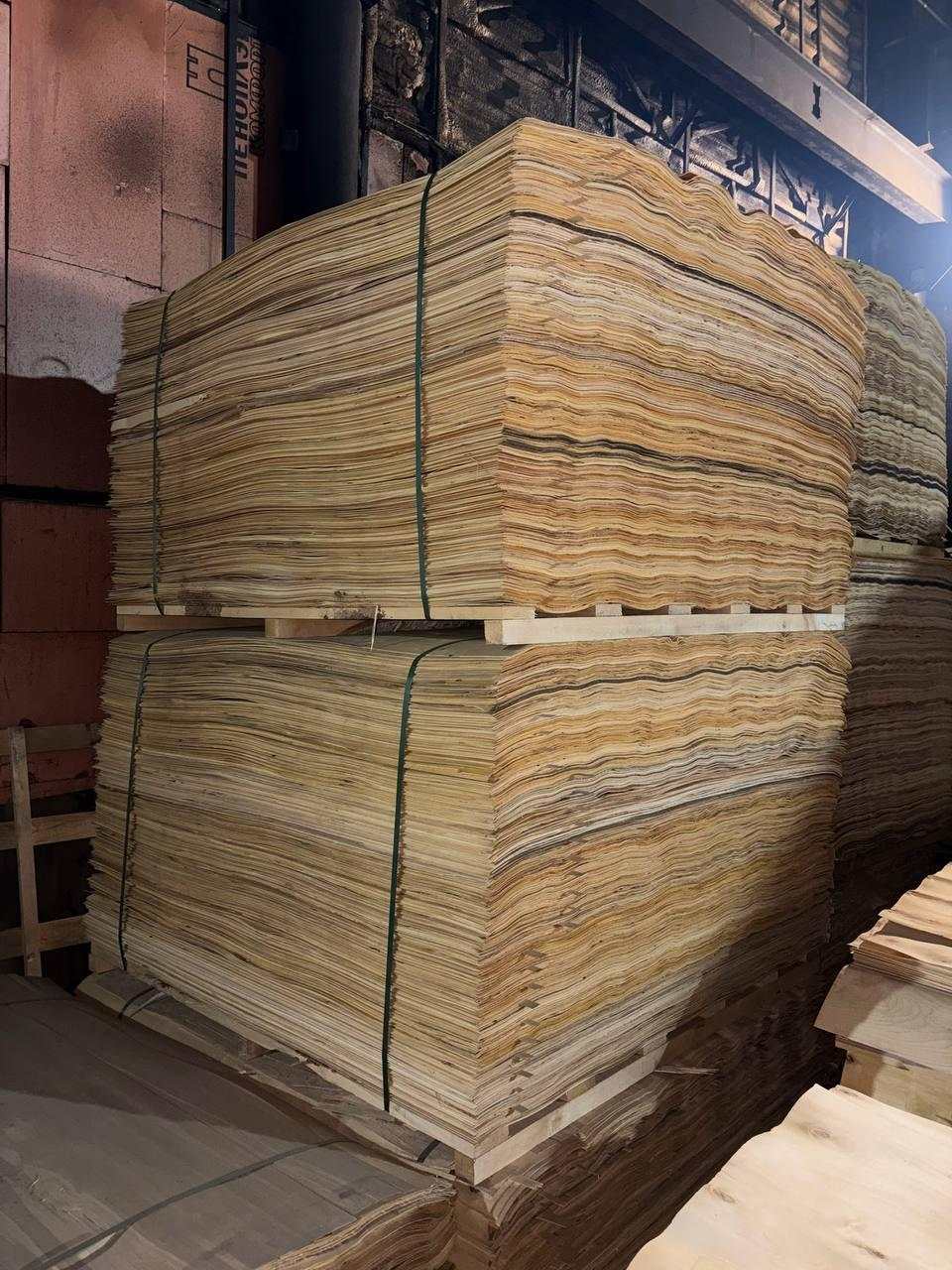
How a bundle is prepared
Three layers, each with a distinct job.
| Layer | What it does |
|---|---|
| Strapped bundle | Holds the sheets as one block; prevents shifting and corner damage in handling |
| Bearers underneath | Leave clearance for forklift tines; lift the bundle off the floor, leaving an air gap |
| Moisture-protection film | Stops condensed drops reaching the sheets directly |
The second function of the bearers is the one usually overlooked. If a bundle sits directly on the container floor, any water collecting there wicks into the bottom sheets. The bearers break that contact.
Moisture is measured before the bundles are closed and written on the shipping document. This is not a formality; it is your reference point. The difference between the documented figure and your own reading tells you whether moisture was picked up on the way or was high to begin with.
What to check at unloading
Give this list to the team doing the unloading. The order matters, because the first three items cannot be checked once the bundles have been moved.
- Photograph as the doors open. The interior, before anything is touched. That single frame is the reference for any discussion that follows.
- Ceiling and upper walls. Condensation marks, water droplets, rust runs.
- Top surface of the uppermost bundle. Sweat damage shows here first.
- Strapping. Cut, slack or broken straps mean the load moved in transit.
- Film. Tears and punctures, especially at corners and forklift contact points.
- Your own moisture reading, taken during unloading, from several different bundles. Not afterwards.
What to do if damage appears
Four steps, and the order genuinely matters.
| Step | What | Why |
|---|---|---|
| 1 | Photograph the bundles before moving them | Where the damage sits in the container shows where it happened |
| 2 | Note it on the delivery document — before signing | A document signed without a note weakens every later claim |
| 3 | Record your moisture reading | The only figure comparable with the shipping document |
| 4 | Write to us the same day | Notification windows with the carrier are short and do not reopen |
A photograph taken after unloading is finished does not show where the damage occurred. That is the single mistake that makes a case unresolvable even between parties acting in good faith — so brief the team on step one in advance.
Storage after delivery
Veneer keeps picking up moisture after it reaches you. Material delivered at 5–8% will enter the press at a completely different figure if it stands in the open for a few days, and the result is a panel that comes out of the press blistered.
- Store it indoors. A canopy is not enough; ambient humidity is absorbed too.
- Keep it off the floor. Leave it on bearers so air passes underneath.
- Open the film at the last moment. The bundle stays closed until the material goes to the press.
How moisture is measured, why the band sits where it does and what it does in production is on the moisture content page; how veneer behaves in the press is covered on the door panel page.
Route and duration
Packaging decisions follow the duration: a 12-day truck route and a 32-day container route do not call for the same protection.
| Route | Duration | Note |
|---|---|---|
| Container, Novorossiysk – Ambarlı | 22–32 days | The most common; sweat risk is highest here |
| Boxcar | variable | Different air volume and temperature behaviour |
| Direct truck | 12–20 days | Short transit, fewer condensation cycles |
The full route list, costs per m³ and minimum lots are on the logistics page. How many m³ fit a container is on the container loading page.